
The Roots of a Welsh Welcome
Nestled between the rolling hills and sweeping coastline of Barmouth, a once-humble family farmhouse has blossomed into a charming guesthouse, offering visitors more than just a bed for the night. It’s a place where stories are shared over warm tea, and the spirit of Welsh hospitality comes alive in every detail.
For generations, this farmhouse stood as a cornerstone of rural life—cattle in the fields, the scent of fresh bread in the kitchen, and laughter echoing through the stone walls. What began as a working farm has evolved into a haven for travelers seeking authenticity and connection.
Meet the Hosts: A Family Legacy
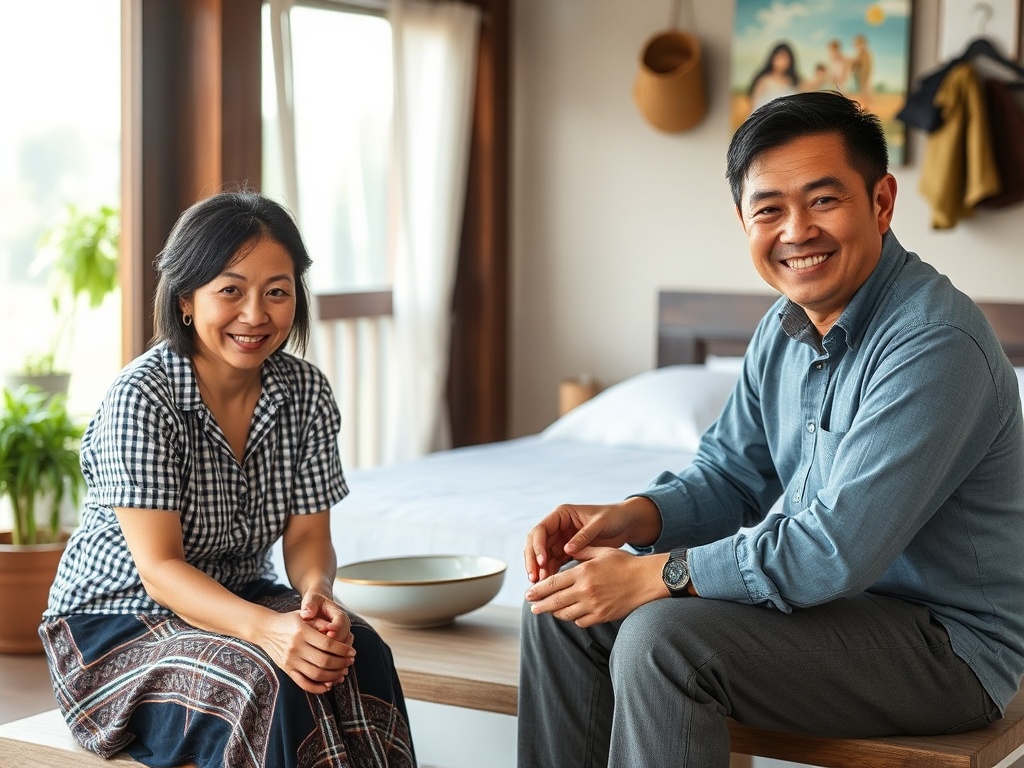
When Megan Hughes inherited the farmhouse from her grandparents, she knew it was more than just a home—it was a legacy. After years working in Cardiff, she returned with her partner Tom and a dream: to transform the property into a guesthouse that honors its roots.
“We didn’t want to lose what made this place special,” Megan explains.
“The stonework, the old hearth, the wild garden—all of it tells a story. We simply opened the door for others to step in and become part of it.”
The couple renovated the house with care, preserving original features like oak beams and slate floors while adding cozy touches: handwoven Welsh blankets, locally sourced breakfasts, and bookshelves filled with regional tales.
Stories from the Hearth
Each guest brings a new layer to the guesthouse’s evolving narrative. Some come for the hiking trails, others for the serenity of the sea or the allure of the nearby Snowdonia National Park. But all leave with memories shaped by the warmth of their hosts.
- Anna and Peter from London found themselves invited to a spontaneous garden barbecue with neighbors and local musicians.
- A solo traveler from Canada was guided by Tom through hidden coastal paths known only to locals.
- A family of four learned traditional Welsh baking from Megan’s mother, still living next door.
These are not just overnight stays—they are shared experiences that linger long after the bags are packed.
Why Barmouth is More Than Just a Beach Town
Barmouth may be known for its golden sands and Victorian promenade, but its true charm lies in its community and culture. Staying in a local guesthouse like Megan and Tom’s allows visitors to see beyond the postcard views.
Here, you can:
- Join a Welsh language workshop at the town hall
- Explore the local market for handmade crafts and produce
- Attend a storytelling evening in the local pub
According to BBC Travel, Barmouth has quietly become a destination for mindful travelers seeking connection over consumption. Guesthouses like this one are at the heart of that movement.
Tips for an Authentic Stay
If you’re planning a visit to Barmouth and want to experience it through the lens of local life, consider these tips:
- Book small: Opt for family-run B&Bs over chain hotels
- Ask questions: Your hosts are often the best local guides
- Slow down: Take the time to enjoy the pace of village life
- Respect traditions: Learn a few Welsh phrases or try local dishes
It’s in these quiet, sincere moments that the magic of Barmouth reveals itself.
Walks That Start at the Farmhouse Gate
Tom’s hand-drawn map, kept in a drawer by the door, sorts the surrounding country into what he calls boots, shoes and slippers. The slippers walk is the lane down to Llanaber church, a squat medieval building standing almost on the beach, with the sea on one side and the railway on the other. Shoes means the Panorama Walk above the town, a short climb rewarded with the estuary, the viaduct and Cadair Idris in a single frame.
Boots is where he becomes animated. The old drovers’ route over Bwlch y Rhiwgyr climbs into the Rhinogydd behind the farm and drops towards the Mawddach, all wet moor and stone walls, with barely another walker in sight. For the mountain itself he sends guests round by car to Ty Nant and up the Pony Path on Cadair Idris, which is steady rather than technical and needs a full day, proper layers and a weather check. “The summit vanishes into cloud by lunchtime more often than not,” he says. “Go early and turn back if it closes in. The lakes at Cregennan on the way are worth the trip on their own.”
His favourite trick for tired legs is the railway: walk across the viaduct footpath to Morfa Mawddach, then take the train one stop back rather than retracing your steps.
What Remains of the Working Farm
The cattle are gone, but the land has not been abandoned. A neighbour grazes ewes on the top fields, which means lambing in March and April fills the mornings with noise, and guests who ask nicely are sometimes invited to lean on a gate and watch. A dozen hens still supply the breakfast eggs, and a small vegetable patch behind the byre provides the tomatoes and salad leaves through summer.
- Drying room: the old dairy now holds boot racks and a dehumidifier, and Megan is firm that wet gear belongs there rather than on the radiators.
- Honesty shelf: homemade jam and Welsh cakes, priced modestly, with a tin for the money.
- Rates: rooms sit in the usual range for the area, roughly £85 to £120 in summer and noticeably less between November and March.
“A farmhouse that stops being a farm goes quiet in a way you can feel,” Megan says. “We kept enough of the work to keep the place awake.”
Conclusion: More Than a Stay, a Story
From family farmhouse to guesthouse, Megan and Tom have created something rare: a space where history, hospitality, and humanity converge. Their story is just one among many in Barmouth—but it’s one that captures the essence of why so many fall in love with this corner of Wales.
Whether you come for the scenery, the culture, or the comfort of a warm hearth, you’ll leave with more than memories—you’ll leave with a story of your own.