
The Call of the Coast
For years, Emma Lewis thrived amidst the hustle and bustle of London’s corporate jungle. A fast-paced marketing executive with a corner office, she had what many would call “the dream life.” But a weekend getaway to Barmouth changed everything. “I remember standing on the promenade, wind in my hair, the sea stretching endlessly. I felt something shift,” she recalls. That moment planted the seed of a radical transformation.
Trading Commutes for Coastal Calm
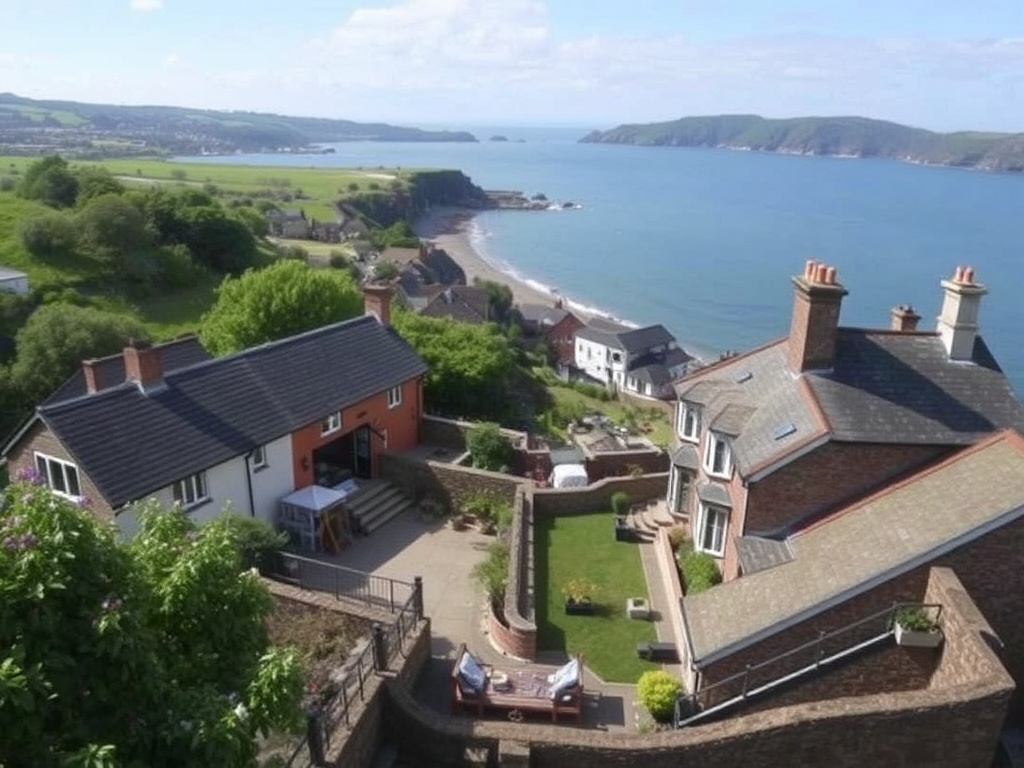
Within a year, Emma left her job, sold her flat, and purchased a charming Victorian guesthouse nestled on the edge of the Snowdonia National Park. “I wanted more than just a holiday escape. I wanted to live in a place where I felt connected to nature and community,” she explains.
Her move reflects a growing trend of urban professionals seeking meaning beyond the office. According to a BBC Worklife report, many are trading city stress for rural clarity, especially post-pandemic.
Restoring Life—and a Guesthouse
The guesthouse Emma purchased had seen better days. “It was charming but tired. The wallpaper was peeling, and the kitchen was straight out of the ’70s,” she laughs. But with patience and vision, she restored the home into a warm and welcoming Bed & Breakfast that celebrates local heritage.
Design Inspired by Welsh Landscape
Emma’s aesthetic choices were deeply inspired by Barmouth’s natural surroundings. She incorporated:
- Slate and driftwood accents from local beaches
- Textiles from Welsh wool mills for authenticity
- Artwork by regional artists celebrating the coastline
“I wanted guests to feel the soul of Wales the moment they walk through the door,” she says with pride.
Stories From the Breakfast Table
One of Emma’s favorite parts of running the guesthouse? The conversations over breakfast. From hikers exploring Cadair Idris to couples retracing childhood holidays, each guest brings a story. “We’ve had writers, ornithologists, and even a retired lighthouse keeper,” she beams.
These shared moments often become lasting memories—for both guests and host.
Challenges Behind the Charm
Of course, not everything has been idyllic. “The first winter was tough,” Emma admits. “Storms off the coast, fewer bookings, and learning how to fix a boiler at 2 a.m.—it’s not for the fainthearted.” But she emphasizes that the rewards far outweigh the challenges.
She also had to adapt to managing bookings, marketing, and local regulations. Emma credits a short course in hospitality management from The Open University with giving her the tools to run her business effectively.
Living the Local Life
Beyond the guesthouse, Emma has embraced Barmouth’s tight-knit community. She volunteers at the local heritage centre and sources produce from nearby farms. “It’s not just about offering a bed—it’s about sharing a way of life,” she insists.
She’s also learned bits of Welsh, participates in seasonal festivals, and encourages guests to explore lesser-known spots around town.
Advice for Aspiring Hosts
Emma is often asked if she regrets leaving city life. Her answer? “Not for a second.” For those considering a similar path, she offers a few tips:
- Spend time in the place you want to move to before making the leap
- Connect with locals—they offer invaluable insights
- Expect hard work, especially in the early stages
- Stay true to what makes your guesthouse unique
“It’s not just about offering accommodation—it’s about creating an experience,” she emphasizes.
The Numbers Nobody Mentioned in London
Emma is candid that the spreadsheet she built before buying was wrong in almost every column. “I priced the rooms off what I’d paid as a guest and assumed I’d fill them ten months a year. The real season here runs from Easter to the end of October, with a proper peak of six or seven weeks around the school holidays. November to March, you are grateful for a weekend of walkers.”
Her current rates sit in the ranges most Barmouth guesthouses use: roughly £90 to £135 for a double in high season, dropping to £60 to £85 in winter, with single travellers on the Cambrian line often asking for a midweek deal. “The costs that surprised me were the small ones. Laundry in a damp coastal town, replacing anything metal every few years because of the salt, and a plumber on call for a Victorian house whose pipes have opinions.”
Then there is the journey itself. Barmouth to London Euston is a change at Birmingham or Shrewsbury and the best part of five hours. “I used to think that was a drawback. Now I think it’s the whole point. Guests who’ve done that trip have already slowed down by the time they reach the promenade.”
What a Marketer Unlearned About Selling a Place
What did you stop doing? “Promising sunshine. My first website was all blue sky and golden sand. Then I had a family arrive in a week of sideways rain who felt cheated. Now the photographs show the estuary in cloud, the bridge in a squall, the fire lit at four in the afternoon. Bookings went up, oddly, and complaints went to nothing.”
What sells the house better than anything you write? “The walk over the railway bridge to Fairbourne. I tell guests to do it early, catch the little train along the spit if it’s running, and come back on the ferry from Penrhyn Point in summer. People come back to breakfast the next morning talking about it as if they’d discovered it themselves, which is exactly how it should feel.”
And the thing you got right from day one? “Listening to Dolgellau. I go up on market days, buy from the same three stalls, and ask what’s good this month. The lamb, the cheese, the bara brith on the breakfast table all have a name attached. In London I spent a fortune manufacturing authenticity. Here it costs a ten-mile round trip and a bit of humility.”
A New Chapter by the Sea
Emma’s journey from skyscrapers to seascapes is more than a lifestyle switch—it’s a testament to the power of following one’s intuition. Her guesthouse in Barmouth isn’t just a business; it’s a living story, unfolding one guest at a time.
“City life gave me skills. The coast gave me purpose,” she reflects. And with each sunrise over the bay, Emma is reminded that sometimes, the best journeys begin when you choose to stay.