
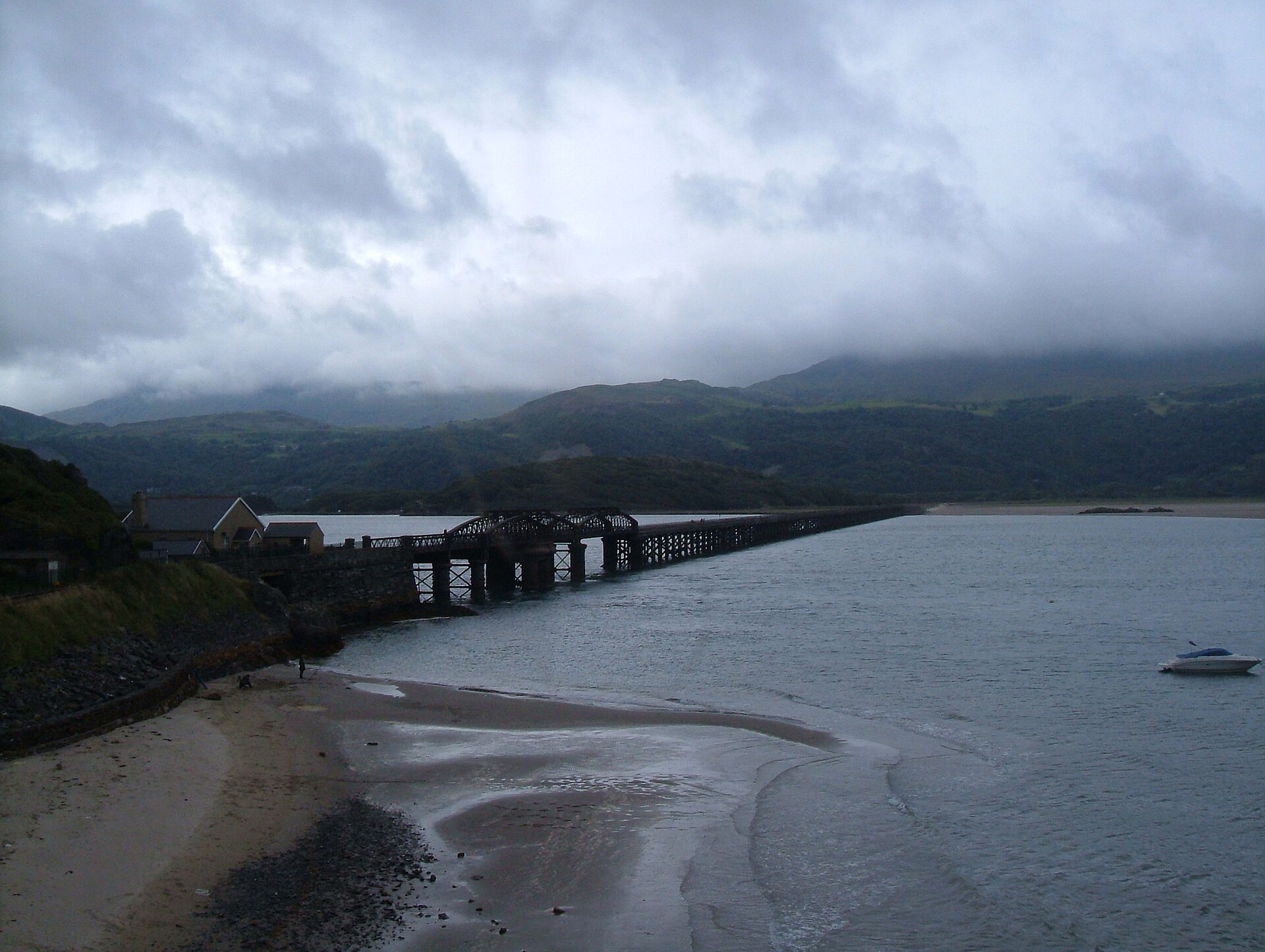
Slow travel in Wales is less about a fixed list of sights and more about how you move: fewer transfers, no summit-or-bust schedule, and time to notice where you are.
- Slow travel is a way of moving, not a destination: choose a base and let the days take shape.
- Rigid goals tend to backfire; keep plans loose and leave margin for weather and daylight.
What does slow travel in Wales actually involve?
The idea borrows from the slow food movement, which grew out of protests against fast food spreading across Europe from the United States. Slow travel applies the same logic to holidays: fewer places, more time in each, and a preference for local experiences over a race between famous landmarks.
A writer who tried this in the Brecon Beacons left phones and watches at home, hoping to get a little lost and to feel time stretch. The trip started with a mistake that is easy to repeat: fixing on a goal, in that case a summit, and then rushing to reach it. The plan fell apart near sunset, and the group dropped the goal and camped. The better stretch came the next day, when they simply picked a direction on the map and walked.
For your own trip, the practical lesson is simple.
- Pick one base rather than moving every night.
- Choose one main outing per day, and treat it as optional.
- Leave your afternoons open for weather, tides and fatigue.
- Accept that a short walk done well beats a long one done in a hurry.
Why does Barmouth suit a slower trip?
A guesthouse in Barmouth lets you unpack once and then work outwards.
A bed and breakfast also supports the pace you are after. A set breakfast time, a host who knows the week’s weather, and a table where other guests compare plans all push you toward a slower start. When you compare places to stay, favour the ones that make it easy to leave the car parked: a short walk to the station or a bus stop matters more than a sea view you only see from the driveway.
Since you will be spending long hours nearby, check practical details before booking: how far the room is from the shops and the station, whether there is somewhere to store wet gear, and whether the hosts are happy with a late arrival after a delayed train.
How do you get around Wales without a car?
The national tourism body describes Wales as easy to cross by train, bus, car or on foot, and points out that many journeys are enjoyable in their own right. Several tools are worth knowing about.
- TrawsCymru long-distance buses link key towns and scenic areas, including routes to the Pembrokeshire coast and the Bannau Brycheiniog and Eryri national parks. A day ticket gives unlimited travel on a list of its services, and you can buy it from the driver or through the app, which also shows timetables and live bus positions.
- fflecsi is a bookable service that picks you up within a service area rather than only at a stop. It operates in a dozen locations, including Pen Llŷn and the Conwy Valley. You book through an app or by phone, so build in a little lead time.
- Seasonal buses run in many areas over the summer months, including the Sherpa’r Wyddfa around the foot of Yr Wyddfa (Snowdon), designed to cut traffic in the park.
- Scenic railways include the Cambrian Line from Shrewsbury to Machynlleth, which meets the Cambrian Coast Line connecting Aberystwyth and Pwllheli. Barmouth is shown on the national tourism body’s page about travelling around Wales.
Timetables change with the season, so confirm services close to your travel date rather than relying on last year’s information.
How do you plan days that stay slow?
Start each day with a direction, not a target. A walk along the estuary, a bus to a nearby village, or a morning at a market stall will tell you more about the area than a packed checklist. If a longer outing appeals, such as a mountain walk, treat the summit as a bonus and decide your turning-back time before you set off.
Some habits help the slower rhythm hold.
- Carry water, a paper map and a spare layer, and check the weather and daylight the evening before.
- Eat when you are hungry, not when a schedule says so; a late lunch stop in the shade can be the best part of a walk.
- Leave the phone in your bag for part of the day, and use the guesthouse as your fixed point for meals and rest.
- Keep one rainy-day plan ready, such as a café, a museum or a long breakfast, so bad weather does not feel like a loss.
If you do want inspiration beyond Barmouth, a book of mindful journeys across England, Scotland and Wales can help with daydreaming and planning, though it is no substitute for local advice from your host.
Frequently asked questions
Is slow travel in Wales possible without a car?
Yes, within limits. Long-distance TrawsCymru buses, the bookable fflecsi service, seasonal buses and several scenic railway lines cover a lot of the country. Check timetables close to your dates, since seasonal services vary.
How long should a slow trip to Barmouth be?
There is no fixed answer, but a few nights in one base suits the idea better than moving every day. Stay long enough that you can let a bad-weather day pass without feeling you have lost your trip.
Do you need a detailed itinerary?
A loose one is better. Choose one main outing a day and keep the rest open. Fixing on a single goal and racing to it is the habit slow travel is meant to break.
What should you pack for a slower, walking-based stay?
Bring sturdy footwear, a waterproof layer, a refillable bottle and a paper map as a back-up. Weather on the coast and in the hills can change quickly, so keep an extra layer within reach.
Related reading
- Reading the Tide at Barmouth: Sandbanks, Swimming Windows and a Beach That Moves
- Balancing Adventure and Relaxation on a Barmouth Getaway
Sources
- Wales: Taking Time To Slow Down And Feel The Place (gonomad.com, accessed 2026-11-02)
- Top tips for travelling around Wales (visitwales.com, accessed 2026-11-02)
Photo: Bridge over Mawddach estuary Barmouth, by Xan Asmodi (Xan asmodi (talk)), CC BY-SA 3.0 (Wikimedia Commons)