
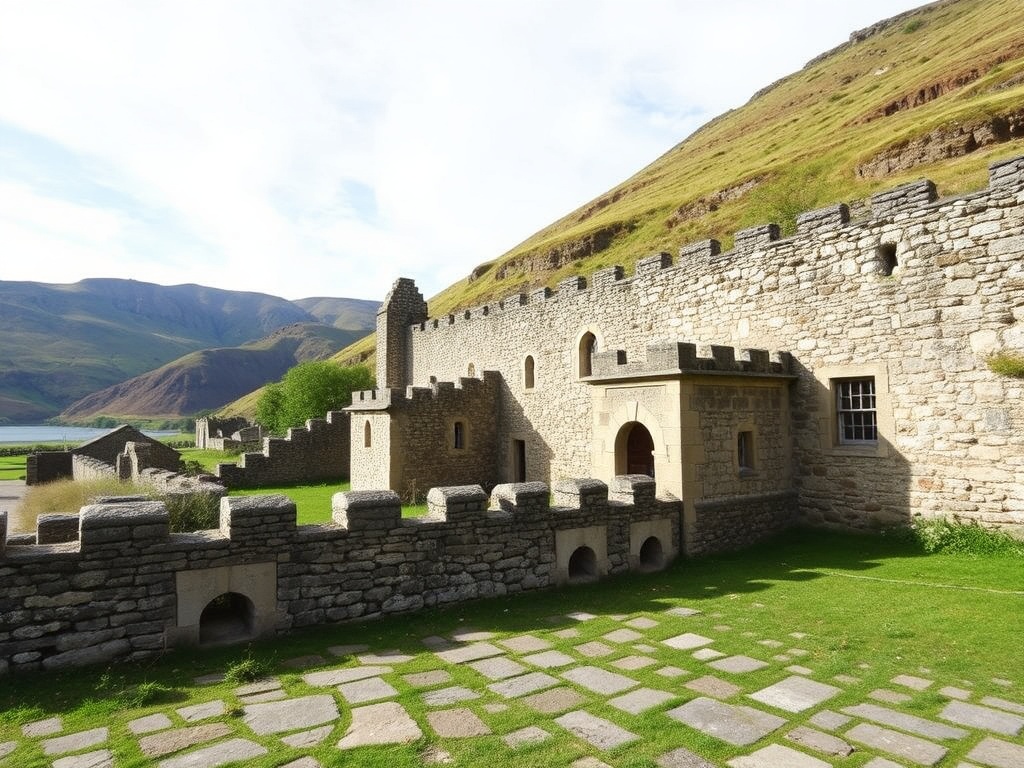
A Journey Through Time: Welsh Heritage Awaits
Nestled between the mountains of Snowdonia and the Irish Sea, Barmouth is more than just a picturesque seaside town — it’s a gateway to some of Wales’ most captivating heritage sites. From ancient castles to sacred Celtic landmarks, this region is rich with stories etched into stone and landscape. Whether you’re a history enthusiast or simply looking to add depth to your coastal retreat, these nearby gems offer a unique window into Welsh culture and identity.
Castles That Whisper Legends
Harlech Castle – A Sentinel on the Rock
Just a 30-minute drive from Barmouth, Harlech Castle stands proudly atop a cliff, overlooking the sea like a timeless guardian. Built by Edward I during his conquest of Wales, this UNESCO World Heritage site is a masterclass in medieval military architecture. Wander through its massive stone corridors, climb the battlements, and let your imagination roam across centuries of resistance and resilience.
Its historical significance and breathtaking location have even inspired poetry and song. According to Britannica, Harlech was a critical stronghold during the Wars of the Roses and the English Civil War.
Dolwyddelan Castle – In the Heart of Snowdonia
Less known but deeply atmospheric, Dolwyddelan Castle lies east of Barmouth, tucked within the valleys of Snowdonia. Once home to Llywelyn the Great, a legendary Welsh prince, this fortress offers a powerful connection to the native rulers of Gwynedd. The hike to the ruins rewards visitors with sweeping views and a sense of solitude perfect for reflection.
Ancient Roots: Sacred and Prehistoric Sites
Dyffryn Ardudwy Burial Chamber
Only a short drive north, this Neolithic burial site dates back over 5,000 years. The chambered tombs, set amidst wildflowers and ancient stones, evoke a deep sense of mystery. These megalithic monuments offer a rare glimpse into the spiritual life of Wales’ earliest inhabitants. Visiting at dawn or dusk adds a magical atmosphere, ideal for photographers and quiet thinkers alike.
Llanelltyd Church – A Hidden Gem
Often overlooked, the tiny village of Llanelltyd houses one of the oldest churches in Wales: St. Illtyd’s Church. With parts dating from the 12th century, it’s a peaceful haven that still holds regular services. Surrounded by rolling hills and grazing sheep, the churchyard is a place to pause and soak in centuries of rural Welsh life.
Living Traditions: Museums and Cultural Hubs
Llanfair Slate Caverns
Step underground to discover the story of the Welsh slate industry, once a pillar of the region’s economy. The Llanfair Slate Caverns offer guided tours through narrow, echoing tunnels carved by hand over a century ago. Kids and adults alike enjoy the eerie atmosphere and authentic storytelling. It’s a hands-on way to understand how the landscape shaped livelihoods.
National Slate Museum
For an even deeper dive, consider a visit to the National Slate Museum in Llanberis. Set in the original Victorian-era workshops, the museum preserves tools, machinery, and personal stories of quarry workers. It’s a poignant reminder of the lives that built modern Wales, with interactive exhibits and live demonstrations that bring history to life.
Tips for the Curious Traveller
- Travel with layers – Wales’ weather can change swiftly, especially in the hills.
- Rent a car – Many heritage sites are off the beaten path and best accessed by road.
- Talk to locals – Innkeepers and shop owners often know lesser-known gems.
- Respect the sites – Many locations are fragile and culturally sacred.
Stay Local, Live Authentic
One of the joys of exploring heritage sites around Barmouth is returning to a cozy Bed & Breakfast in the evening. Chatting with hosts who have grown up in the region often reveals stories you won’t find in any guidebook. Many B&Bs are housed in historic buildings themselves, adding to the immersive experience. Enjoy hearty Welsh breakfasts, warm conversations, and the feeling of truly living Wales, not just visiting it.
Heritage on Your Doorstep: Three Stops Within a Ten-Minute Walk
You do not need the car for everything. Down on the quay, the Sailors’ Institute is a small reading room opened in 1890 so that seamen waiting for a tide had somewhere dry to sit. It is still free to enter, still stocked with newspapers, and its walls carry ship models and photographs of the harbour when Barmouth built and crewed its own coasting vessels. Give it twenty minutes and you will understand the town far better than a plaque could manage.
A few paces away stands Ty Crwn, the round lock-up of 1834. It was built with two cells — one for men, one for women — to hold sailors who had celebrated payday too enthusiastically. The circular shape was practical: no corners to hide in. Nearby is Ty Gwyn, a stout tower house of the fifteenth century that local tradition links with Tudor plotting before Bosworth. Both are on the same short loop from the harbour, so combine them with a walk along the sea wall.
Practical Notes: Opening Times, Costs and Getting There Without a Car
Harlech Castle is run by Cadw and charges for entry; expect an adult ticket in the £8–£12 range, with family tickets and concessions bringing the per-person figure down. If you intend to see two or more Cadw sites during your stay, an annual membership usually pays for itself, so do the sums at the first gate rather than the last. Opening hours shorten noticeably between November and March, and the last admission is often an hour before closing.
The Cambrian Coast line makes Harlech an easy half-day: the train from Barmouth takes roughly half an hour, and a day return generally costs less than £10. One thing catches people out — the station sits at the bottom of the hill and the castle at the top, so allow fifteen minutes of steep climbing, or take the footpath that zigzags up from the level crossing.
- Cymer Abbey — the Cistercian ruin beside the Mawddach near Llanelltyd is free, rarely busy and pairs naturally with a stop at St Illtyd’s church.
- Winter visits — several smaller sites close entirely from late October, so check before setting out.
- Buses — the Barmouth to Dolgellau service runs most of the day and drops you within walking distance of Llanelltyd.
Conclusion: Where History Meets Heart
The region around Barmouth is a living museum — not in a dusty, distant sense, but in the way that heritage breathes through everyday life. Whether you’re walking the ramparts of Harlech or sipping tea in a centuries-old cottage, the stories of Wales unfold naturally. So next time you find yourself by the shores of Cardigan Bay, take the road less travelled — and discover the soul of Cymru at every turn.