
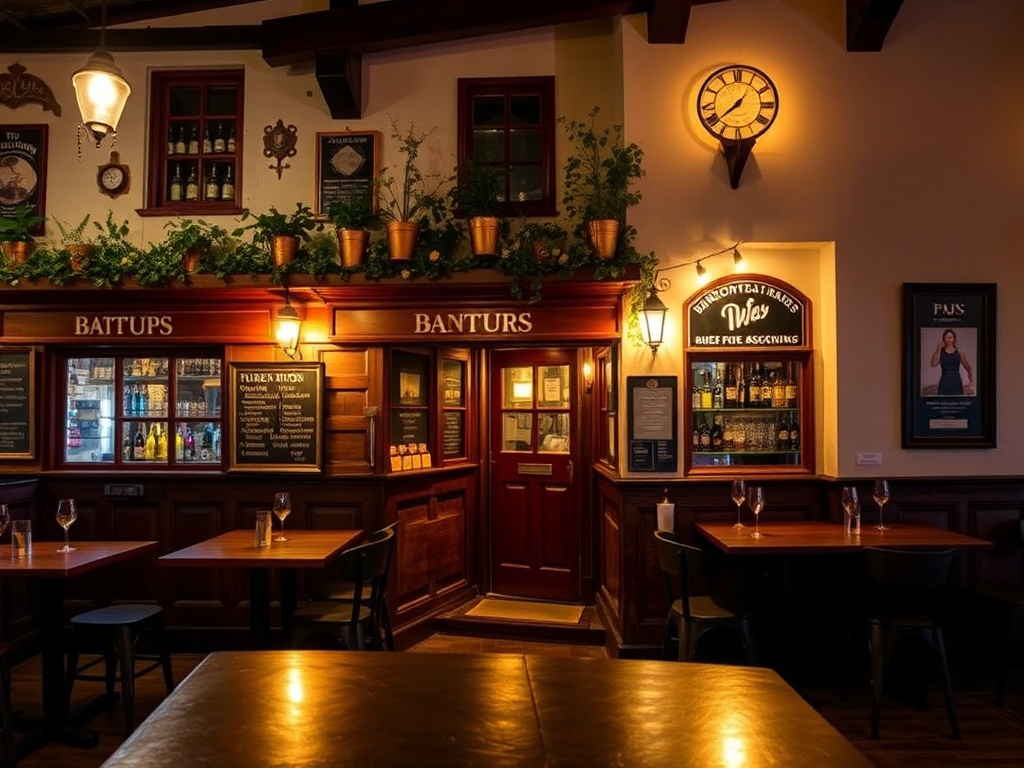
Evenings That Come Alive in Barmouth
As the sun dips below the horizon and the waves of Cardigan Bay shimmer under the moonlight, Barmouth transforms from a serene seaside town into a vibrant hub of local culture, music, and warm hospitality. For those who crave an authentic Welsh evening, nothing beats exploring the town’s cozy pubs and discovering hidden corners where live music sets the rhythm of the night.
Historic Taverns with a Tale to Tell
Step into one of Barmouth’s traditional taverns and you’re likely to be greeted by the scent of oak beams, the crackle of a fireplace, and the hum of friendly conversation. Many local pubs have stood for centuries, serving as gathering spots for sailors, poets, and now, curious travelers. These venues are not just watering holes—they’re living pieces of Welsh history.
The Charm of the Local Pub Scene
- The Last Inn – Nestled against the cliffs, this pub is known for its historic charm and live acoustic sets on weekends.
- The Anchor – A favorite among locals, offering real ales and spontaneous folk music nights.
- The Royal – Often hosts storytelling evenings and features regional craft beers.
Each pub has its own vibe, but all share a commitment to preserving Welsh traditions and offering a hearty welcome to visitors.
Live Music: The Soul of Barmouth Nights
From mellow jazz to foot-stomping folk, Barmouth’s music scene is small but mighty. Many pubs double as performance spaces, giving local musicians a platform to share their talents and visitors a front-row seat to authentic Welsh sounds.
Where to Catch the Best Tunes
Live music often kicks off around 8 PM, especially on Fridays and Saturdays. While some performances are scheduled, others are wonderfully impromptu—you never know when a fiddle or guitar might emerge. It’s this spontaneity that makes Barmouth nights so memorable.
According to BBC Travel, small coastal towns like Barmouth are seeing a revival in grassroots music, with younger generations embracing traditional instruments and songs.
Voices of the Locals: Pub Owners Share Their Stories
We spoke with Gareth, the long-time owner of a family-run pub tucked behind the harbor. “It’s not about how big the stage is,” he says, “but about the connection between the musician and the room. That’s where the magic happens.”
Sian, who runs a B&B nearby, agrees: “Many of my guests come back year after year, not for the sea views, but for the music nights. It’s a window into our culture.”
Tips for an Unforgettable Night Out
- Arrive early: Seating in smaller pubs fills up quickly, especially when live music is expected.
- Ask locals for recommendations: They often know when and where the best gigs happen.
- Try the local brews: Welsh ales and ciders are a must-try.
- Be open to surprises: Sometimes, the best performances happen when you least expect them.
A Cultural Experience Beyond Tourism
What sets Barmouth’s nightlife apart is its authenticity. This isn’t a town chasing trends or tailoring experiences for tourists—it’s a community that celebrates its roots. Whether you’re clapping along to a ballad in Welsh or sipping a pint beside a fisherman with stories to share, you’re part of something real.
For a deeper dive into Wales’ cultural heritage, National Geographic highlights how music and storytelling remain vital threads in the Welsh cultural fabric.
Getting Home After the Music Stops
The pleasant thing about a night out in Barmouth is that almost everything is within a ten-minute walk of everything else, and that walk is usually along the promenade or through the quiet lanes behind the harbour. Nobody needs a car. The one thing to organise in advance is the way back if you are staying outside town: the last train north or south leaves early in the evening, well before the music finishes, and the buses stop earlier still.
Taxis exist, but only a handful serve the area, and on a summer Saturday they are all busy at the same time. Book your return before you go out, not from the bar at eleven, and expect £15–£25 for a run to the villages along the estuary or up the coast. Guests in town should simply check with their host about a late key: most B&Bs are relaxed, but a few lock up at a set hour, and a whispered apology on the stairs at midnight is best avoided.
- Pint prices: generally £4–£5.50 for ale or lager, a little more for craft beer; cider and Welsh gin are widely stocked.
- Payment: cards are accepted almost everywhere now, but a little cash helps for the collection tin when a band plays for tips.
- Closing times: earlier in winter, when some pubs shut on quiet weeknights altogether; ask before you build an evening around one.
What a Session Is Like, and How to Join In
A folk session is not a concert. Musicians sit around a table rather than on a stage, tunes are started by whoever feels like it, and the audience is simply the rest of the room. The unwritten rules are easy: keep the tables nearest the players free for instruments, keep conversation down while a song rather than a tune is being sung, and never touch a fiddle case, however beautiful. Singers are welcome if they can hold a tune; ask the person who seems to be steering the evening, and wait for a gap.
Expect a mix of Welsh, Irish and English material, and do not be embarrassed if you understand none of the words. Welsh hymn tunes and sea songs often bring the whole bar in on the chorus, and a visitor humming along is nobody’s problem. A round bought for the players is the traditional thank-you. Sessions and open-mic nights tend to be advertised only on a chalkboard or the pub’s own social pages a few days ahead, so the best plan is to walk the harbour at teatime, read the boards, and choose.
On one wet November Tuesday, with the front deserted and the wind rattling the windows, a reader wandered into what looked like an empty pub and found nine people, two guitars, a harp and a box of tissues for the sad songs. She stayed until closing. That is the Barmouth night worth planning for: not the busiest, but the one you almost did not go out for.
Before You Go: Embrace the Unexpected
Barmouth nights are not about fancy clubs or flashy lights. They’re about the warmth of a wooden bench, the laughter of strangers, and a tune that follows you home. It’s an experience best enjoyed slowly—with a pint in hand, a song in the air, and the feeling that you’ve found a secret worth sharing.
And if you’re curious about the roots of folk music traditions in Wales, the Encyclopedia Britannica provides an insightful overview into the history and evolution of these melodies.