
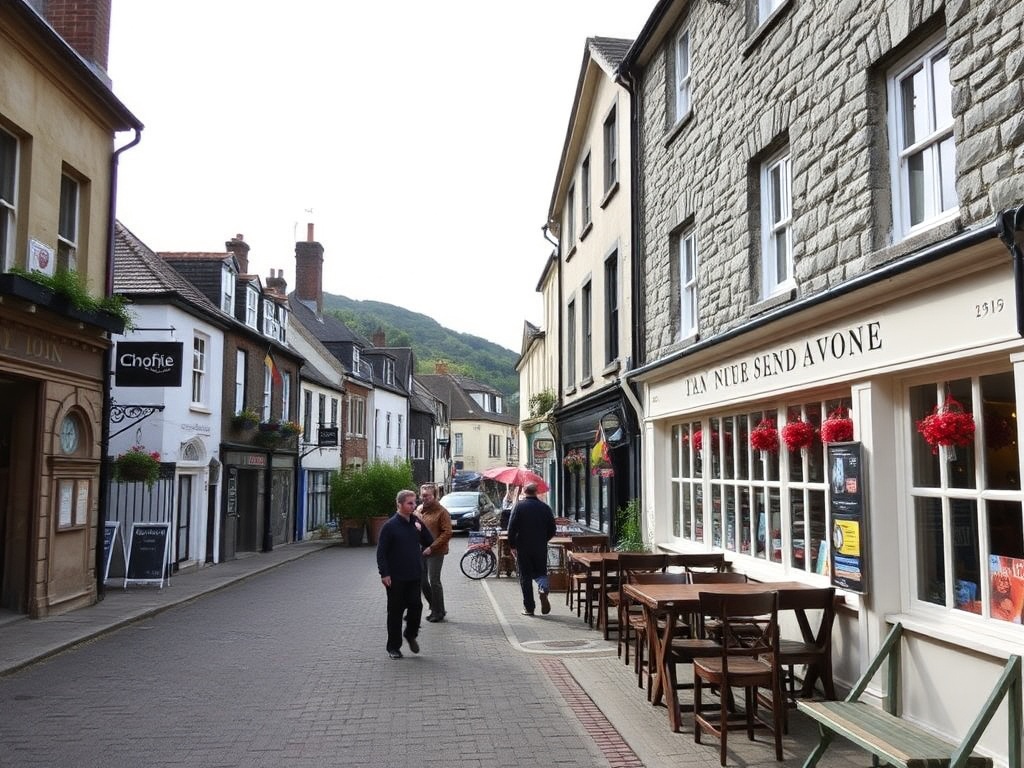
A Warm Welcome That Set the Tone
When I first arrived in Barmouth, I expected stunning coastal views and fresh sea air—but I didn’t anticipate the powerful cultural experience that awaited me. My stay at a quaint Bed & Breakfast, run by a spirited local named Gwen, turned out to be a journey into the soul of Welsh identity.
Learning Through Laughter and Tea
Each morning began with the scent of warm bara brith and the cheerful hum of Gwen humming traditional Welsh tunes. Over breakfast, she shared stories passed down through generations—tales of Celtic kings, seafaring ancestors, and the proud resilience of the Welsh people. Her stories weren’t just entertaining—they were windows into a culture rooted in community, storytelling, and an unbreakable connection to the land.
The Power of Language
Gwen often sprinkled Welsh phrases into our conversations. “Croeso i Gymru!” she’d say with a smile. She explained how the Welsh language isn’t just a tool for communication, but a vessel carrying centuries of history. I learned that over 29% of the population in Gwynedd speaks Welsh as a first language, a testament to cultural pride and preservation.
According to BBC Wales, recent efforts to revive Welsh in schools and media have led to a resurgence of interest, especially among younger generations.
Traditions That Live On
Gwen invited me to a local Noson Lawen, a traditional Welsh evening of music and laughter. We gathered in a cozy village hall where neighbors sang folk songs and recited poetry in both Welsh and English. It was during this evening that I truly felt the essence of Welsh culture—joyful, poetic, and deeply communal.
More Than Just Entertainment
Traditional music in Wales is not merely for fun—it’s a form of cultural storytelling. Instruments like the crwth and harp are still lovingly played, and songs often recount historical events or celebrate nature’s beauty. I left the event humming an old melody, my heart full of warmth.
Hospitality Like No Other
What struck me most was Gwen’s generosity. It wasn’t just about providing a room—it was about offering a sense of belonging. She took time to show me hidden walking paths, the best fish and chips in town, and even helped me pronounce tricky Welsh place names like “Llanfairpwllgwyngyll.”
Her B&B was filled with handcrafted decorations, vintage family photos, and a bookcase stacked with local lore. The personal touch made every moment feel authentic.
Tips to Experience Welsh Culture Like a Local
- Stay in a family-run B&B: You’ll get more than a room—you’ll get stories, tips, and a true taste of local life.
- Attend a community event: Whether it’s a folk evening or a local market, these gatherings are cultural gold mines.
- Learn a few Welsh phrases: A simple “Diolch” (thank you) goes a long way in showing respect.
- Ask questions: Locals love to share their heritage—just be open and curious.
Learning to Read the Map the Way Gwen Does
One wet afternoon Gwen spread an old Ordnance Survey sheet across the kitchen table and started translating. Barmouth, she explained, is Abermaw on the signs and Y Bermo in conversation — the mouth of the Mawddach, the river that spills into the sea beside the town. Once she had given me that one word, the whole map opened up: aber for a river mouth, llan for a church enclosure, dinas for a fort, cadair for a chair. Dinas Oleu, the hill behind her house, stopped being a strange sound and became “the fortress of light”.
She was firm about one thing: locals do not expect visitors to pronounce everything perfectly, but they do notice who tries. A double l is made by putting the tongue where you would say an l and blowing gently; dd is the soft th in “this”; w is usually a vowel. Practising on Dolgellau and Llanaber over tea was more useful than any phrasebook, and by the third day the ticket clerk at the station was answering me in Welsh before switching kindly to English.
- Cadair Idris: the “chair” of a giant. Gwen repeated the old saying that whoever sleeps a night on the summit wakes as a poet or a madman, then added that most people simply wake up cold.
- Mawddach: pronounced roughly “MOW-thakh”, with the ow as in “how” and a throaty ending.
- Eryri: the Welsh name for Snowdonia, now used officially by the National Park.
The Estuary as a Teacher
Gwen’s other lesson was about the water. Barmouth families have always lived by the tide rather than the clock, and she kept a tide table pinned beside the kettle the way other households keep a bus timetable. Before I set off to walk across the railway viaduct to Fairbourne, she checked it, told me the sands on the estuary side would be covered again within two hours, and warned me never to take a shortcut across them however solid they looked. The footpath along the viaduct charges a small toll — a pound or two, cash — and takes about twenty minutes at an ambling pace, with the whole sweep of the estuary and the hills above Dolgellau laid out to one side.
At low water she walked me out along the harbour wall and pointed to where the old ships were built, then to the channel where the little summer ferry crosses to Fairbourne when the tide allows. “The sea decides,” she said, and it was not a poetic flourish. It shaped when the shops opened in her grandmother’s day, when the boats went out, and when children were allowed on the beach. Understanding that made the town’s slow rhythm feel less like quaintness and more like good sense.
I left with a habit I have kept: before any coastal walk, check the tide, the forecast and the last train back. It is the most Welsh thing Gwen taught me, and the most practical.
A Deeper Connection
Before my trip, Barmouth was just a dot on the map. But thanks to Gwen and her warm-hearted hospitality, I got to see the town through a different lens—one rich with tradition, pride, and connection. I came as a visitor and left with a deeper appreciation for what it means to be Welsh.
Traveling isn’t just about the places—it’s about the people who shape them. And in Barmouth, those people are the heartbeat of a culture that continues to thrive, one guest at a time.