
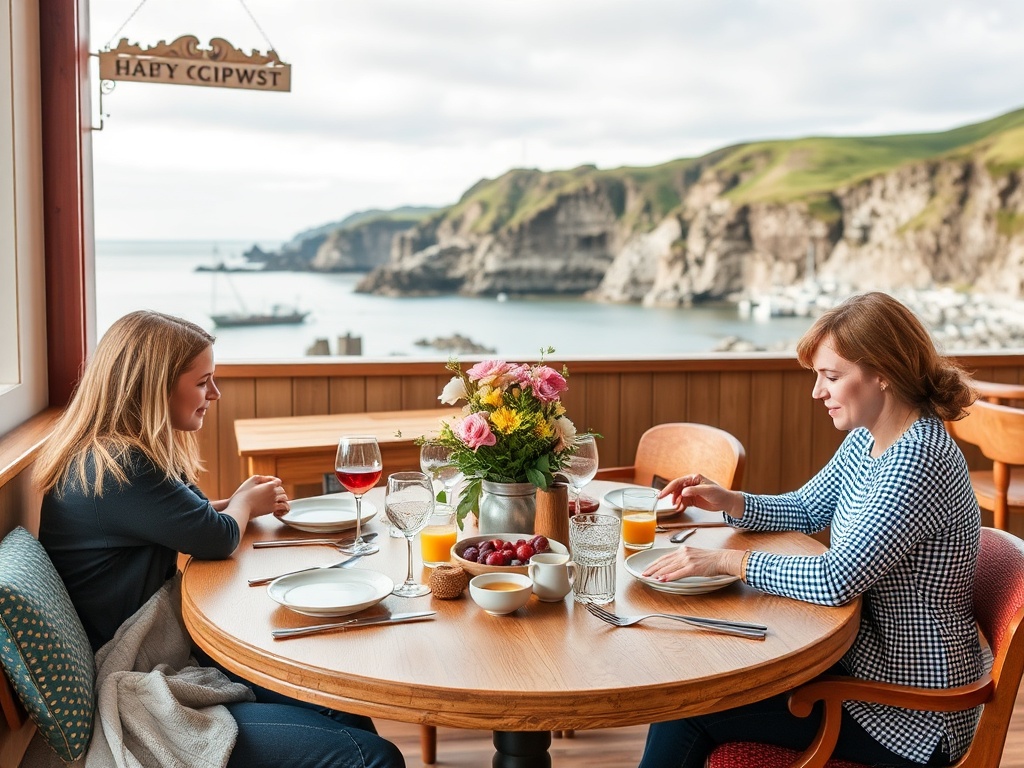
The Warm Ritual of the Barmouth Breakfast
In the charming coastal town of Barmouth, mornings begin not just with the scent of bacon and freshly brewed tea, but with the quiet hum of conversations around large, communal breakfast tables. Staying at a local Bed & Breakfast here isn’t just about a place to sleep—it’s an invitation to share stories, laugh with strangers, and experience **genuine Welsh hospitality**.
More Than a Meal: A Cultural Encounter
For travellers visiting Barmouth, the breakfast table often becomes the heart of their journey. Whether you’re seated next to a retired couple from Pembrokeshire or a solo backpacker tracing the Welsh coast, the morning meal is a space of **connection and exchange**.
Many B&B owners in Barmouth design their dining rooms to encourage interaction. Long wooden tables, family-style service, and the absence of background music all contribute to an atmosphere where conversation flows as easily as the coffee.
Voices from the Table
Gwen, Owner of a 19th-Century Seaside B&B
“Some of our guests arrive shy, unsure about sharing a table. But by day two, they’re swapping hiking tips and talking about their lives back home. It’s beautiful to see friendships spark over toast and marmalade.”
Tom and Elise, Travellers from Canada
“We met a couple from Liverpool over breakfast, and they ended up showing us a hidden cove we’d never have found on our own. That one meal changed our whole trip.”
Breakfast Offerings with a Local Twist
The food itself is a delightful journey. Most Barmouth B&Bs serve traditional Welsh breakfasts that might include:
- Laverbread – a seaweed delicacy often fried into cakes
- Welsh Rarebit – a rich cheese-on-toast dish with mustard and ale
- Local sausages and eggs from nearby farms
- Seasonal jams and homemade breads
Some even offer vegetarian and vegan variations, ensuring that every guest can indulge in the morning ritual.
Why It’s Worth Waking Up Early
In many ways, sharing a breakfast table in Barmouth is a microcosm of what travel should be: **authentic, unexpected, and deeply human**. It’s where plans are reshaped based on friendly suggestions, and where the landscape of Wales is made richer through the lens of others’ experiences.
Tips to Make the Most of Your Morning Meal
- Arrive early to choose your seat and settle in
- Bring a friendly attitude—conversations often start with a simple “Where are you from?”
- Be open to sharing your journey and listening to others’ tales
A Time-Honoured Tradition with Modern Appeal
While some modern travellers might prefer privacy, many are rediscovering the joy of communal dining. According to BBC Travel, the communal breakfast remains one of the most cherished aspects of the B&B experience across the UK. Barmouth, with its friendly locals and breathtaking views, offers one of the most memorable versions of this tradition.
The Morning the Tide Table Changed Our Plans
On our third morning, a couple who had been walking the coast path for a fortnight asked the table whether anyone had been out to the sandbar. Nobody had. Gwen fetched the tide table from beside the kettle, ran her finger down the column and said that if we were at the harbour by half past nine we would have two hours of hard sand and the estuary to ourselves.
So the day we had planned around the shops became a day on the water’s edge. Six of us who had met over toast walked down together, past the boats leaning on the mud, and out along the shore while the oystercatchers argued and the railway viaduct hummed with a passing train. By the time the tide turned we had swapped phone numbers and agreed to share a taxi to the start of the Cadair Idris path the following morning.
That is what a communal breakfast does that a room-service tray cannot: it puts local knowledge and half a dozen strangers’ plans on the same table at the same moment, and lets the day rearrange itself around the best idea in the room.
Practical Notes for the Breakfast Room
A little preparation makes the shared table easier for everyone, hosts included. Most Barmouth guesthouses serve between about eight and half past nine, and the cooked breakfast is included in a room rate that generally sits between £85 and £145 for two, so there is no separate bill to worry about. Beyond that, a few habits help:
- Flag dietary needs when you book, not at the table — a small kitchen can do wonders with a day’s notice and very little on the spot.
- Ask about an early option if you are catching the first train or heading for the mountain; many hosts will leave a continental tray or do a seven o’clock fry-up on request.
- Order a packed lunch the night before — usually £6 to £9, and far better than anything you will find between the viaduct and Dolgellau.
- Bring your map down with you — the table is the best place in town to have a route corrected by someone who walked it yesterday.
Timing matters more than you might think. The first train south leaves early, the ferry to Penrhyn Point depends on the tide, and the bus to Dolgellau is not frequent, so the breakfast conversation often doubles as the day’s timetable. Guests who linger until ten with a third coffee tend to have the quietest and happiest days; guests with a plan tend to eat first and leave with a route drawn on a napkin.
Off-season breakfasts have their own character. In February the table might be just you and one other couple, the fire lit in the next room and the sea grey beyond the window, and the conversation goes deeper for it. In August the room is full, the toast rack empties fast and the talk is all beaches and buckets. Both are worth the early alarm.
Stories That Stay With You
Long after the plates are cleared and the coffee cups emptied, the stories shared across a Barmouth breakfast table linger. They become part of your travel tapestry—woven into memories of sea air, warm smiles, and heartfelt conversations.
And as National Geographic once noted, the essence of Welsh hospitality lies in “a deep-rooted culture of warmth and storytelling.” At the breakfast table, that culture comes to life—one cup of tea at a time.