
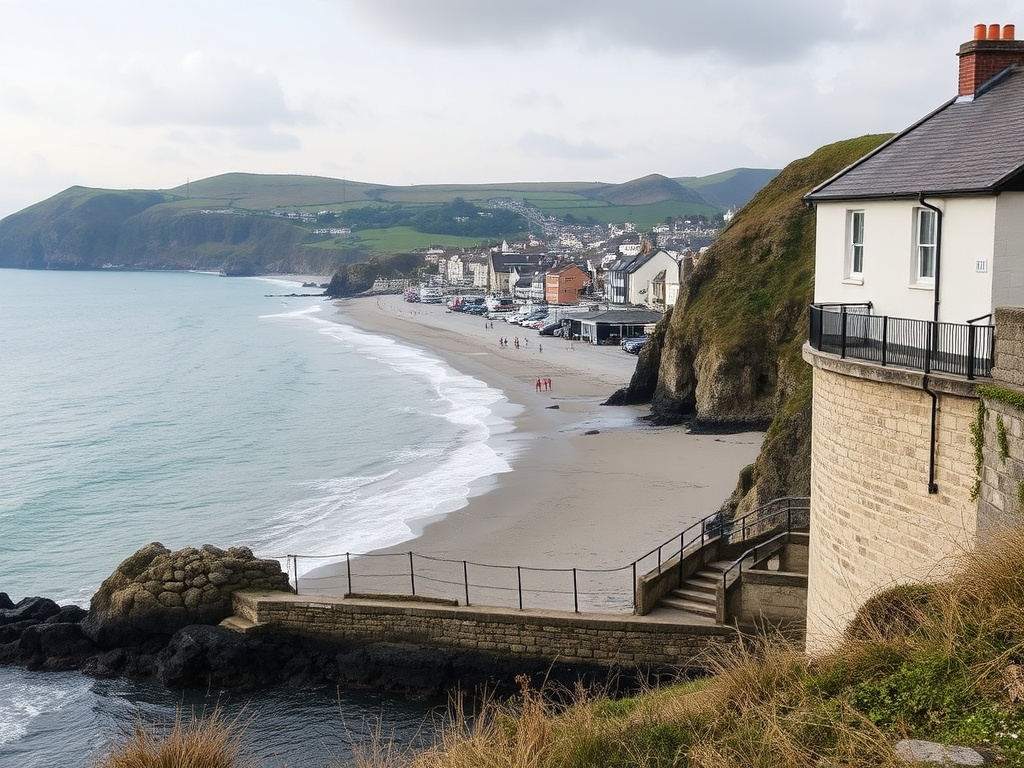
Missing the Charm of Local Bed & Breakfasts
Many first-time visitors to Barmouth opt for chain hotels or holiday rentals, overlooking the heartwarming experience of a traditional Welsh Bed & Breakfast. These family-run establishments offer more than just a place to sleep — they provide **authentic cultural immersion**, homemade breakfasts, and valuable local insights.
Why it matters: Staying at a B&B allows travellers to connect with the community, learn about secret spots, and enjoy personal stories that make the journey unforgettable.
According to BBC Travel, coastal towns like Barmouth thrive on their unique charm, best experienced through local hospitality.
Underestimating the Weather
Welsh weather is famously unpredictable. A sunny morning can quickly turn into a misty afternoon. Newcomers often pack light, expecting a seaside holiday vibe, but end up regretting not bringing waterproof gear and layered clothing.
- Always pack: A waterproof jacket, comfortable walking shoes, and warm layers.
- Check local forecasts frequently.
For accurate and up-to-date weather conditions, visitors can consult the UK Met Office.
Skipping the Off-the-Beaten-Path Attractions
Most tourists flock to the main beach and promenade, missing out on hidden gems like the scenic Panorama Walk or the historic Barmouth Bridge. First-timers often stick to popular routes, unaware of the breathtaking views just a short hike away.
Local favourites include:
- Panorama Walk: A hillside trail with panoramic views over the Mawddach Estuary.
- Old Barmouth:
- The Mawddach Trail: Perfect for cycling or walking, stretching from Barmouth to Dolgellau.
Exploring these places reveals the true soul of Barmouth — peaceful, scenic, and rich in history.
Assuming Everything Is Open Year-Round
Unlike larger tourist cities, Barmouth has a **seasonal rhythm**. Many cafés, shops, and even some B&Bs close or reduce hours during the winter months. Visitors arriving in the off-season may find fewer dining options and limited public transport.
Tip: Always check seasonal schedules and book ahead, especially if travelling between October and March.
Some travellers recommend using resources like Visit Wales to plan accordingly.
Not Booking in Advance During Peak Season
Summer in Barmouth is magical — and understandably popular. First-time visitors often expect to find last-minute accommodation, only to discover that the best spots are fully booked by spring.
To avoid disappointment:
- Reserve your B&B early, especially in July and August.
- Look for accommodations with flexible cancellation policies.
Spontaneity is wonderful, but in Barmouth, a bit of planning goes a long way toward ensuring a stress-free holiday.
Ignoring Local Etiquette and Culture
Wales has a rich cultural identity, distinct from England. Many visitors don’t realise that Welsh is a living language — and that locals deeply value their heritage. Mispronouncing place names or disregarding traditions can come off as disrespectful.
Helpful gestures include:
- Learning a few Welsh words like “Diolch” (Thank you).
- Respecting signage in both Welsh and English.
- Asking questions and showing genuine curiosity about local customs.
For a deeper understanding of Welsh traditions and language, Encyclopedia Britannica’s Wales section offers a comprehensive overview.
Relying Too Much on Technology
While smartphones are great travel companions, Barmouth’s rural setting means patchy signal in some areas. First-time visitors who rely solely on GPS or digital guides may find themselves momentarily lost or disconnected.
What to do instead:
- Pick up a local map at a visitor centre.
- Ask your B&B host for recommendations and directions.
- Download offline maps before arrival.
Unplugging a little might even enhance your experience — allowing you to truly absorb the sights, sounds, and flavours of this coastal gem.
Misjudging the Tides and the Estuary
Barmouth’s beaches and estuary sands are among the town’s greatest pleasures and its most underestimated hazard. At low water the harbour side and the flats beneath the railway bridge look like a vast, safe playground, and first-time visitors regularly wander a long way out. The tide here comes in fast and fills the channels first, so a stretch of sand can be surrounded by water before the far edge is even wet. Every host in town has a story of a family who had to be waved back in a hurry.
The fix is undemanding: pick up a tide table (many guesthouses pin one in the hallway) and treat the two hours around low water as beach time, the rest as promenade or bridge time. The main beach north of the promenade is the safer choice for children, as it shelves gently and stays wide even as the tide rises. The summer ferry to Fairbourne and the miniature railway across the water also depend on the tide, so a visit planned around the timetable alone can end with a boat that is not running.
- Check tide times daily: they shift by roughly an hour each day.
- Avoid the estuary flats: stay on the bridge footpath and the trail; the view is better from there anyway.
- Watch the wind: an onshore breeze can push the tide in earlier and higher than the table suggests.
Arriving by Car Without a Parking Plan
The old town’s lanes were laid out for carts and feet, not estate cars, and many guesthouses have no private parking at all. Visitors who drive in on a summer Saturday expecting to pull up outside their B&B often spend a stressful half hour circling. Ask your host before you travel: some have a space or two, some hold a permit for a nearby street, and most can point you to the nearest long-stay car park, where a full day generally costs in the region of £5 to £9. Once the car is parked, leave it; the town, the beach and the bridge are all walkable, and the estuary trail is better on foot or by bike.
The alternative is to skip the car entirely. The Cambrian Coast line delivers you to a station in the middle of town, with a change at Machynlleth from most directions, and the final stretch along the estuary is one of the most scenic rail approaches in Britain. Buses link Barmouth with Dolgellau and the coast for day trips. Bring a little cash whichever way you arrive: the bridge toll, the ferry and the occasional market stall still prefer coins, and a card-only wallet is a small but real first-timer’s mistake.
Final Thoughts
Barmouth offers a unique blend of natural beauty, cultural depth, and warm hospitality. Avoiding these common mistakes can help first-time visitors make the most of their stay, forging memories that last a lifetime. A little preparation, curiosity, and openness go a long way in transforming a simple getaway into an unforgettable Welsh adventure.