
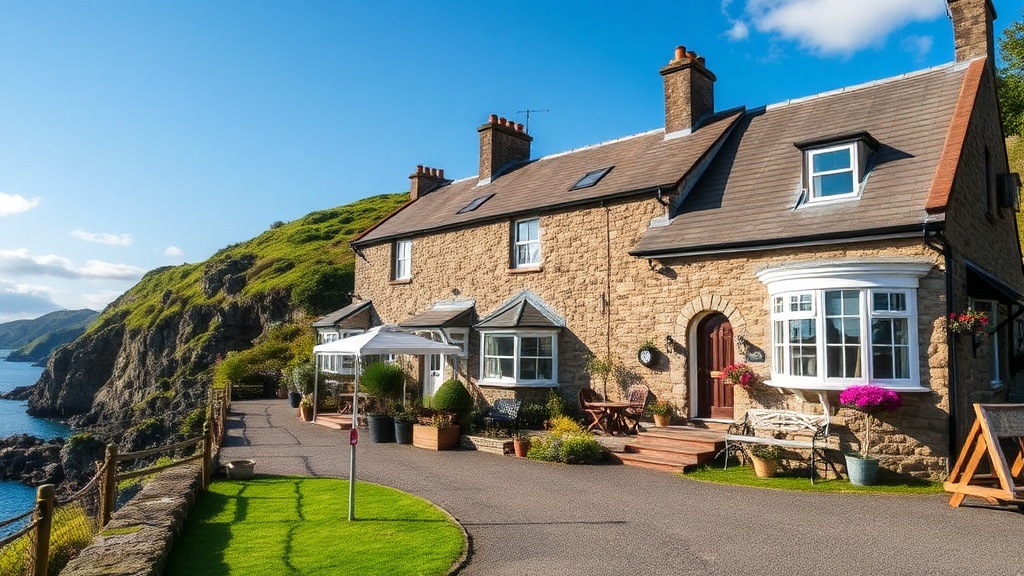
A Warm Welcome by the Sea
Barmouth, perched on the edge of Cardigan Bay and nestled against the dramatic peaks of Snowdonia, has long captured the hearts of travelers seeking both sea air and mountain views. Yet what truly makes this town unforgettable are its authentic Bed & Breakfasts, where hospitality is as natural as the tides rolling onto Barmouth Beach.
Meeting the People Behind the Doors
Every guesthouse has a personality shaped by its owners. During one visit, I met Margaret, who runs a Victorian B&B just minutes from the harbor. She told me how her grandmother began welcoming hikers in the 1950s with nothing more than tea and homemade bara brith. Today, she continues that same tradition — offering guests not only rooms with sweeping bay views but also stories of local folklore passed down through generations.
Another owner, Dylan, an avid climber himself, provides early breakfasts for adventurers heading into Snowdonia before sunrise. The friendly mix of personal anecdotes and practical support is what makes these stays stand out compared to standard hotels.
What Travelers Love Most About Staying in Barmouth B&Bs
- Authentic connections: Conversations over breakfast often turn into tips about hidden walking trails or secluded beaches.
- Local flavors: Freshly baked scones served alongside Welsh honey set mornings off to a perfect start.
- Cultural immersion: Many hosts decorate their homes with traditional crafts and share insights into local festivals like Gwyl Mabsant.
Taste Wales Through Its Breakfast Tables
The charm of B&Bs lies not only in comfortable rooms but also in what’s plated each morning. A full Welsh breakfast may include laverbread (a seaweed delicacy), cockles from nearby estuaries, or free-range eggs from farms just outside town. These dining experiences go beyond food — they are conversations about land and heritage served on your plate.
If you enjoy this connection between culture and cuisine when traveling abroad too, you might want to discover tourisme rural et gastronomique en ombrie, where farm-to-table hospitality creates similar memories rooted in place.
A Day in Barmouth: Suggestions from Locals
Your hosts will gladly sketch out personalized itineraries depending on whether you’re more drawn to coastal walks or historic landmarks. Among favorite recommendations to explore after a hearty breakfast are:
- The iconic railway bridge stretching across Mawddach Estuary – perfect for photography lovers.
- A climb up Dinas Oleu Hill for unparalleled panoramic views over town and sea.
- The picturesque Fairbourne narrow-gauge railway connecting seaside villages nearby (learn more about charming Welsh railways here).
An Evolving Tradition With Modern Comforts
B&Bs today balance authenticity with modern amenities — speedy Wi-Fi for digital nomads, eco-friendly toiletries for sustainable travelers, even yoga sessions overlooking the water. This blend ensures comfort without losing touch with Wales’ unique character.
Harbour, Hillside or Promenade: Where Your Room Sits Matters
Barmouth is a small town squeezed between the sea and a cliff, and the address of a guesthouse changes the whole stay. Rooms along Marine Parade face the beach and take the full westerly weather; you wake to the sound of surf, but a summer double with that view usually sits somewhere between £110 and £170 a night. Houses around the harbour are quieter first thing and put you beside the fishing boats and the ferry slipway. The old quarter above the harbour, on the lower slopes of Dinas Oleu, is a maze of stone steps and terraces with the best outlook of all and typically gentler prices of £80 to £120, but you will carry your case up those steps and there is rarely a parking space at the door.
The mistake first-timers make is booking from a photograph. A sea-view room on the third floor of a Victorian terrace is glorious once you are in it; getting a pushchair or a bad knee up there is less so. Ask the host two plain questions before paying a deposit: how many flights of stairs, and where the car can go overnight. The public car parks by the harbour and behind the promenade charge a few pounds a day and fill early in August.
Letting the Tide and the Train Set the Day
The Cambrian Coast line runs straight through the middle of town, and a good host reads the timetable the way others read the tide table. One or two trains an hour in each direction is the honest picture, so a missed departure costs real time, and Sunday services start later and run thinner. Morfa Mawddach, a request stop on the far side of the estuary, lets you walk out across the viaduct footpath in the morning and ride the single stop back for a small fare if the weather turns.
The tide shapes the other half of the day. At low water the beach becomes an enormous flat of ribbed sand stretching out past the harbour mouth, and the walk towards Ynys y Brawd feels like crossing a desert. At high water the same stretch is simply gone. I once watched a couple set off along the sand towards Llanaber with a picnic and come back an hour later soaked to the knee, having discovered the channel that fills behind the sandbar first. Their landlady had a tide chart pinned inside the front door; they had not looked at it.
- Check the ferry season: the little boat to Penrhyn Point and the Fairbourne railway generally runs from Easter until autumn, not year-round, and only around the higher stages of the tide.
- Carry coins: the bridge footpath has charged a token toll on and off over the years, and the ferry is happiest with cash.
- Look at the sky, then the chart: a low tide in the late afternoon, with the sun going down over the bay, is the best hour of the whole day for the beach.
Your Next Getaway Awaits
A stay at a B&B in Barmouth is not simply accommodation; it’s an invitation into someone’s home where history meets heartwarming hospitality. Whether you’re sipping tea while watching seabirds glide past or listening to tales beside a crackling fireplace after hiking all day, every moment feels part of something bigger than tourism alone — it becomes memory-making at its finest.
If you’re inspired by cultural escapes like these, you’ll also appreciate reading about broader travel trends across Europe shared by resources such as Lonely Planet’s guide to hidden gems in Europe. They show how small towns worldwide echo this same spirit: warmth, authenticity and connection above all else.