
Start at the Harbour: Barmouth’s Coastal Charm
Your journey begins where land meets sea — the historic Barmouth Harbour. With fishing boats bobbing in the tide and seagulls calling overhead, it’s a scene that captures the very soul of this Welsh seaside town. Take a moment to breathe in the salty air and admire the Panorama Walk stretching across the estuary.
Early risers will love the golden hues reflecting off the water at dawn. If you’re lucky, you might catch local fishermen unloading their morning haul, a reminder of Barmouth’s deep maritime roots.
Step into History: Bridge to the Old Town
Cross the iconic Barmouth Bridge, a wooden viaduct that offers sweeping views of the Mawddach Estuary. Built in 1867, this bridge is not just a functional piece of engineering — it’s a piece of living history. As you walk across, you’ll spot walkers and cyclists sharing the path, all equally enchanted by the breathtaking views.
Once across, meander into the Old Town. Here, narrow cobbled lanes wind between slate-roofed cottages, and the scent of freshly baked Welsh cakes drifts from local bakeries. It’s the perfect spot to pause and chat with locals, many of whom are eager to share tales of Barmouth’s past.
Climb to Dinas Oleu: Where Wales Begins
From the Old Town, follow the signs to Dinas Oleu — the “Fortress of Light.” This steep but rewarding climb leads you to the first land ever donated to the National Trust. As you ascend, the town’s rooftops fall away, replaced by rugged heather and gorse-covered hills.
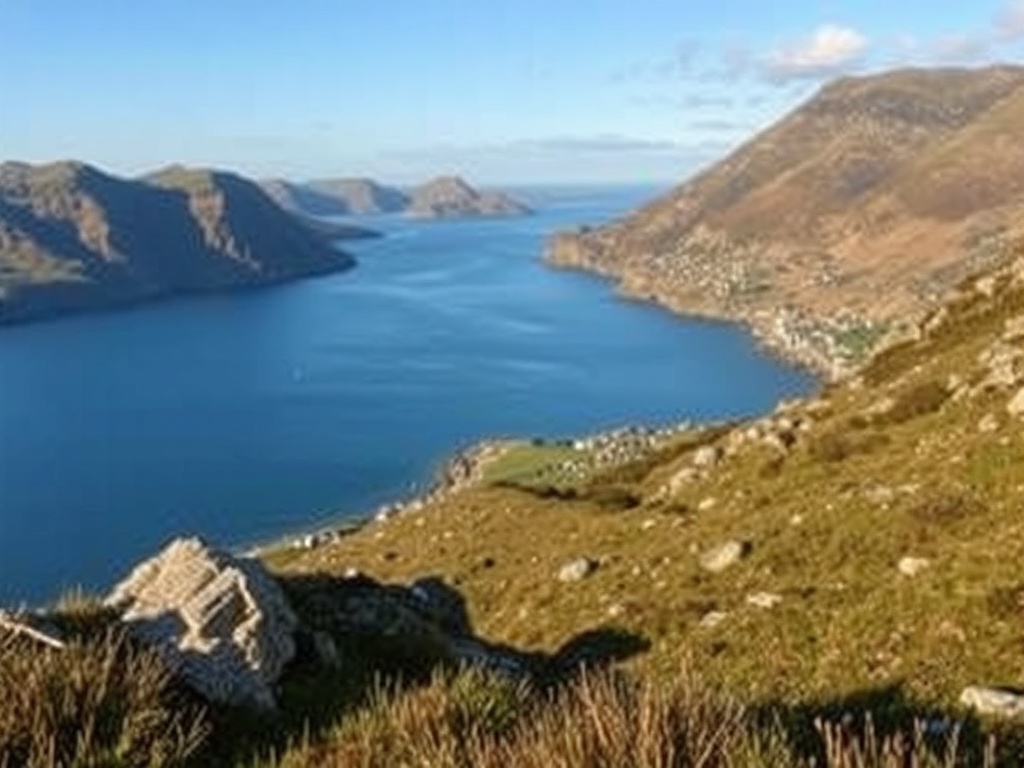
At the summit, panoramic views greet you: the Irish Sea glistens to the west, while the peaks of Snowdonia rise in the distance. According to the National Trust, this spot symbolizes the beginning of a movement to preserve natural beauty for all — a fitting midpoint for your journey.
Through the Hills: Quiet Trails and Hidden Gems
Beyond Dinas Oleu, the path weaves into the hills above Barmouth. This section is less trodden, offering a chance to immerse yourself in the quiet hum of nature. Keep an eye out for:
- Wild ponies grazing on the slopes
- Buzzards and red kites soaring overhead
- Stone ruins of ancient hill farms tucked into the landscape
Trail markers are sparse, so a good map or GPS app is your friend here. The stillness is striking — just the soft crunch of boots on earth and the occasional bleat of sheep in the distance.
Meet the Locals: A Chat with a B&B Owner
We stopped at a charming hillside B&B run by Eleri, a Barmouth native whose family has lived here for generations. With a steaming pot of tea and homemade bara brith on the table, she shared her love for the land:
“People come here for the views, but they stay for the peace. Our guests wake up to birdsong, not traffic. They tell us it feels like stepping into another time.”
Her B&B features local artwork, handwoven Welsh textiles, and breakfasts made from ingredients sourced within a few miles. It’s this attention to detail and authenticity that makes Barmouth’s accommodations truly special.
Descent to the Sea: Ending the Loop with a View
Looping back down, the trail reconnects with the Panorama Walk, offering a gentle descent back toward the harbour. This part of the journey is ideal for reflection — the path framed with ferns and low stone walls, the sea ever-present in the distance.
Consider timing your return to coincide with sunset. The light over the estuary turns molten gold, casting shadows over the hills you’ve just conquered. It’s a magical end to a walk that showcases the essence of Barmouth: its history, its nature, and its people.
Tips for a Memorable Walk
- Wear sturdy shoes — the terrain varies from sand to stone.
- Pack water and snacks, especially if you plan to explore beyond Dinas Oleu.
- Start early to avoid crowds and catch the best light.
- Talk to locals — their stories add depth to every step.
Distances, Timings and Where the Route Bites
On paper the loop is modest — somewhere between three and five miles depending on how far you wander above Dinas Oleu — but the town end is steep and the hill section is uneven, so allow three to four hours with stops rather than the two a map might suggest. The bridge crossing itself is flat and takes ten to fifteen minutes each way; the footpath sits beside the railway and there is no charge to walk it. Note that the bridge has been closed for restoration work on several occasions in recent years, so if it matters to your plan, ask your host the night before.
The climb to Dinas Oleu begins in the lanes behind the High Street and gains height quickly. Most people find the first ten minutes the hardest: narrow steps, slate-flagged paths and a few unmarked junctions. Keep heading up and slightly north and you will come out on the open hillside. Just beyond the summit is the Frenchman’s Grave, the resting place of Auguste Guyard, a nineteenth-century idealist who lived in a cottage on the hill; it is a quiet spot for a sandwich.
- After rain — the ground above the town holds water, and the lower paths become slippery; trainers are a poor choice.
- Midday in July — the hillside has almost no shade, so start by nine or leave the climb until late afternoon.
- Shortening the walk — from Dinas Oleu you can drop straight back to the town in twenty minutes if the weather turns, rather than completing the full circuit.
Water is the other consideration: there is nowhere to fill a bottle once you leave the last houses. A litre per person is sensible on a warm day.
Final Thoughts
Barmouth is more than a picturesque town — it’s a gateway to a deeper Welsh experience. From the bustle of the harbour to the solitude of the hills, this walking itinerary invites you to slow down, look closer, and connect with the land. Whether you’re a seasoned hiker or a curious traveler, this route offers something rare and lasting: a sense of place.